Too often, we limit our understanding of creativity to traditional artistic domains like painting, music, or theater. But creativity is so much more than that! It’s about the unique ways we create, connect, and innovate every day, whether it’s through a doodle on a sticky note, preparing breakfast, or sharing a story on social media.
Creativity’s the spark of innovation, the ability to generate new ideas and solutions, and the expression of your unique self.
In this month’s Musings, I invite you to explore the concept of creative identity with me, and how it can empower people of all ages. Let’s delve into how recognizing and nurturing our creative selves can enhance learning, foster a sense of belonging, and drive innovation.
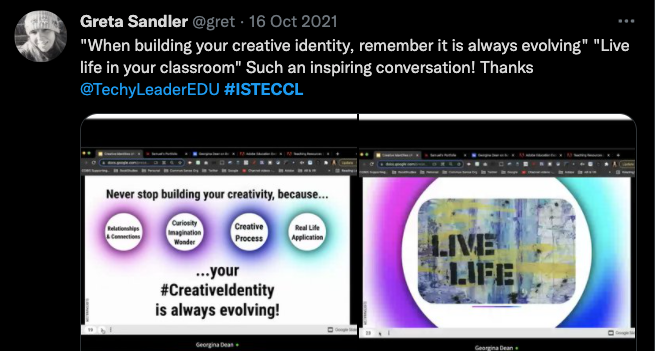
At ISTE’s Creative Constructor Lab virtual conference in 2021, I delivered a TEDTalk-style talk on creative identities—a topic that remains close to my heart.
What Is a Creative Identity?
A creative identity is not limited to those traditionally seen as “artistic.” It is the expression of our ability to generate new ideas and approaches—essentially, the act of creating. The very word “creativity” comes from the verb to create. It signifies doing something new, different, or unusual.
This can manifest in countless ways, from cooking a meal to doodling on a notepad to sharing a story online. These small acts add up to form your creative process.
Every act of creation, no matter how small, contributes to your creative process.
I believe that if you’ve ever taken the time to create, that you are inherently creative.
Welcome to your first day as a creative!
“The innovation process begins with the creativity of individuals. The generation of a new idea is a cognitive process, located within individuals, albeit fostered by team interactions.“
— Mumford & Gustafson, 1988
As the quote by Mumford & Gustafson (1988) suggests, the innovation process begins with individual creativity. It’s a cognitive process that thrives on interaction and collaboration.
A creative identity for me, is more about how we connect to our creative side, whatever that might be.
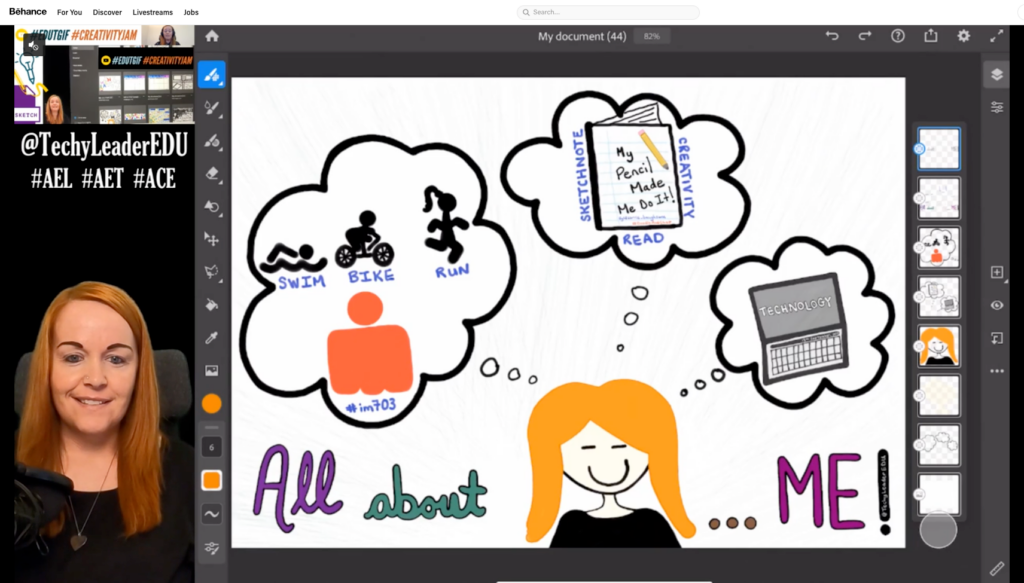
I personally connect through languages, music, illustration, but I come ALIVE most creatively, when I collaborate and share those things with others. This is particularly evident across the 5-years of Adobe Live livestreams, which you can explore on my Behance Pro profile, here.
Just as the Science Direct Journal above explains, interaction is a way to foster innovation and creativity.
What ways have you experienced connection with others, and a sense of belonging in a community, from a shared creative experience?
Some take beautiful photographs on their nature walks, and turn them into amazing pieces of art, just like a fellow colleague Theresa Jackson!
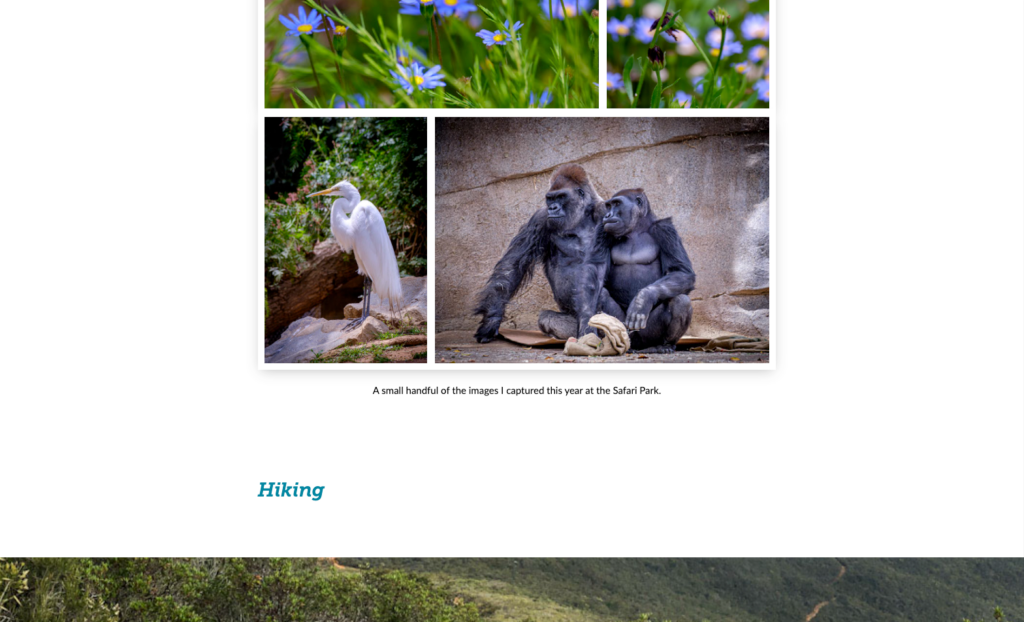
This resonates so much with me! I love traveling, and sharing too.
Theresa’s creative way of sharing her travels, was a gateway for me to connect with her.
Embracing Your Creative Potential
When was the last time you created something?
Making breakfast, doodling on a sticky note, or even exploring a new place or space. These are all simple examples of things I do daily. These are all things that add-up to my creative process.
I believe that your creative process is therefore, all the steps that happen when you create something.
We are all unique and different human beings. We have the capacity to learn, create, and innovate.
Discovering Your Creative Type
If you’re curious about your own creative identity, there are fun tools available to help you explore your creative strengths.
Adobe offers quizzes like the Creative Type Quiz and the Creative Potential to Lead Quiz, which can provide insights into your unique creative profile – have a go!
Tools & Strategies to Discover Your Creative Identity
- Digital Quizzes: Try the Adobe Create quizzes listed above, to see which creative type resonates with you.
- Daily Creativity Challenges: Set aside a few minutes each day for a quick sketch or doodle.
- Collaborative Projects: Engage in group projects, collaborative courses, or even online forums, where you can share your work and learn from others.
- Reflect and Share: Document your creative journey and share your experiences with peers. This is an incredibly meaningful way to build community, a sense of belonging, and inspires others around you!
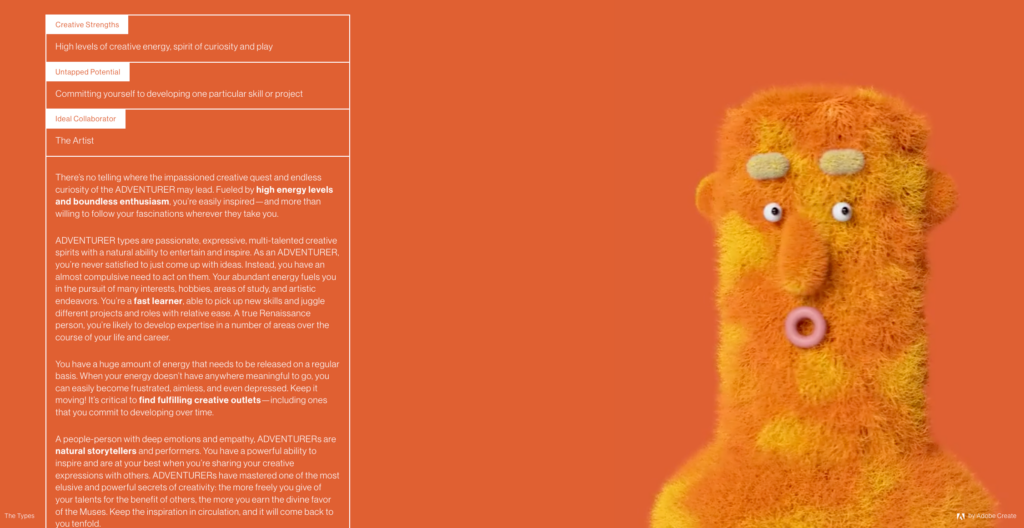
Personally, I identify as an “Adventurer”—but you have your own creative journey, so what about you?
Remember too, that even without a quiz, you can recognize your creative identity by reflecting on your interests, passions, and how you express yourself. Whether it’s through writing, photography, coding, or simply sharing your thoughts and experiences with others, you are engaging in creative acts.
Connecting and Collaborating Creatively
To further explore the connection between creative identity and belonging, I had the pleasure of interviewing Ilene Winokur, an expert on social-emotional learning and belonging.
Ilene’s the author of “Journey to Belonging” and “Finding Your Pathway to Belonging in Education”, as well as being a podcast host, and she shares valuable insights on SEL and belonging.
Creative Identity and Social-Emotional Learning (SEL)
Can creative identities play a significant role in SEL?
I believe so. When we embrace our creative sides, we not only express ourselves but also connect with others. Collaboration and sharing are essential parts of creativity, and they help build a supportive community, particularly in fostering a sense of belonging.
When you feel connected to your creative self, and have opportunities to express your creativity, the more likely you are to feel confident, engaged, and connected to your communities.
Sharing your creative endeavors with others creates connections and builds relationships. In a digital world, this sharing can transcend geographical boundaries, fostering a deeper sense of global belonging.
The Ongoing Journey of Creative Growth
Creative identity is not a fixed trait; it’s an ongoing journey of exploration and growth.
As you learn, experiment, and connect with others, your creative self evolves and expands.
Embrace your creative potential, nurture your creative identity, and share your unique gifts with the world. By doing so, you’ll not only enhance your own learning and well-being but also contribute to a more creative and connected world.
What are some ways you express your creative identity? Reach out to let me know.